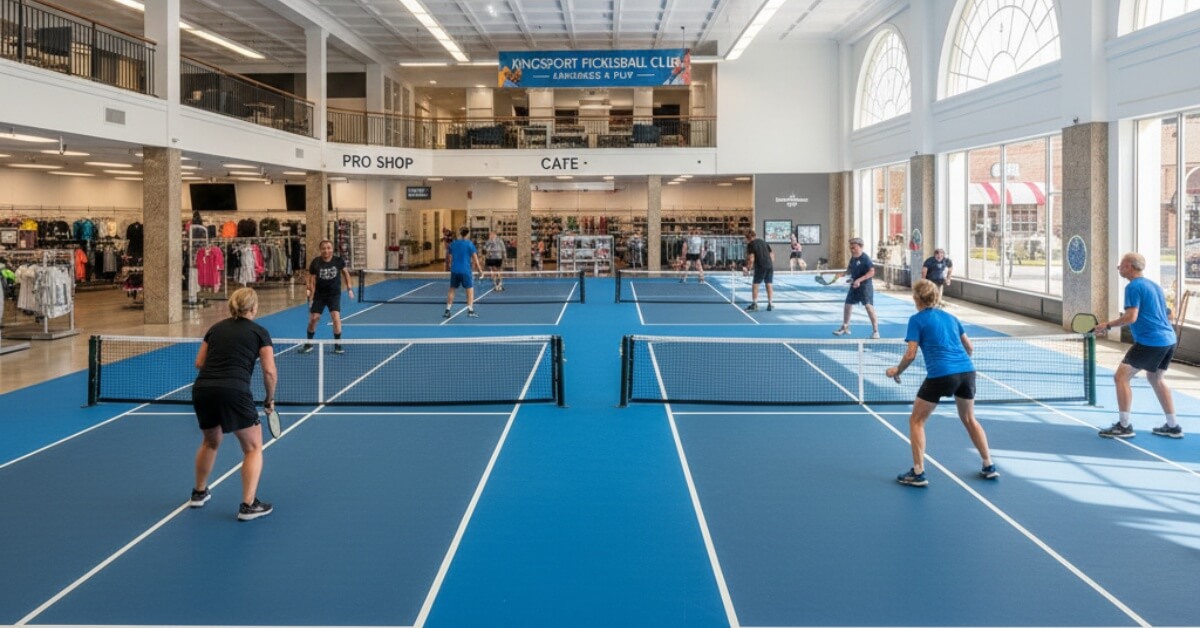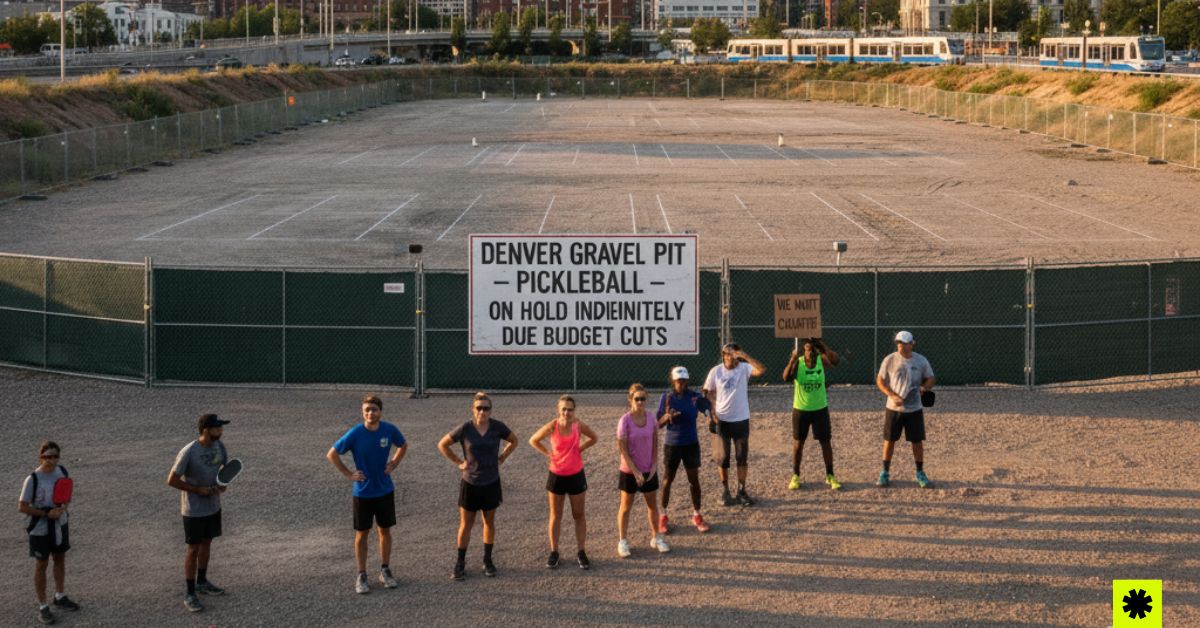
The excitement that surrounds Denver’s downtown pickleball arena took a hit this week. The highly-anticipated Denver Civic Center gravel pits for courts for pickleball project, which was designed to bring a new recreational centre to the center of the city, was put on hold for a period of time. Staffing shortages and budget constraints are at the heart of the decision, causing the local community, as well as players unhappy.
The Vision for the Gravel Pit Pickleball Courts
The plan was intended to be an extraordinary enhancement to Denver’s recreation area. The site is located on a long-unused gravel field in the Civic Center area, the project was designed to provide numerous courts for pickleball with shaded areas, access for the public, and a walking path. The site was believed to be perfect due to its central position close to public transportation as well as the potential as a gathering place for the community.
Pickleball was selected specifically because of its increasing popularity. In the city, players have complained about the lack of courts accessible to them, especially in the central areas. This Civic Center project was intended to revive downtown Denver by providing visitors and residents with an energetic, accessible recreation options.
Why Pickleball Was a Perfect Fit for Downtown
The time of this project coincided with the rise in the number of players playing pickleball. In the case of Denver its accessibility to the sport and its popularity made it an easy option for a downtown recreation center. Planners emphasized several advantages:
- Demand is high: Pickleball is growing quickly, and the existing courts for public use are in short supply and dispersed unevenly.
- Building community: A central hub could host clinics, leagues and tournaments, encouraging local participation.
- Access to transit is accessible: The Civic Center site would have enabled players to get to the courts without the need for cars which would have encouraged active transport.
What Went Wrong: Budget Cuts and Staffing Shortages
Despite overwhelming support, the plan was put off. The reason for this is simple: Denver is facing significant budget deficits and staffing cuts in city planning departments have delayed the development of new initiatives.
The city needed to decide on the priority of the competing investments in its civic infrastructure and, unfortunately, this gravel pit was among the first projects to be stopped. Although it was logical from a fiscal perspective, the announcement was a disappointment for many participants and local advocates dissatisfied. Communities expressed dismay and dismay, especially since it had created excitement and anticipation in the early days.
The Impact on Denver’s Pickleball Community
The decision will have immediate and real-time effects for players from the local community. Downtown Denver is currently home to only a few pickleball courts and this makes the project an essential source for tournaments, leagues as well as informal game. With no Civic Center courts, organizers have to contend with overcrowded courts and scheduling conflict and the challenge of in attracting new players.
Additionally, the pause emphasizes the conflict between urban recreation needs and larger public priorities. Pickleball is an extremely high-impact game that is a community-based one, however, during times of financial restraint small-scale recreational initiatives tend to be the first ones to suffer cuts.
What This Says About Denver’s Urban Planning Priorities
This suspension project gives an insight into Denver’s strategy for downtown recreation. It demonstrates:
- The vulnerability of low-impact, small projects: Even projects that are well-funded can be delayed in budget-related crises.
- Public expectations and. reality of city planning: People expect to have access to places to play, but budget restrictions often limit the implementation of.
- The art of balancing urban growth: City leaders must consider facilities for sports against the competing infrastructure and public priorities.
Could the Gravel Pit Pickleball Courts Make a Comeback?
The project is currently in limbo, there is still some hope. A variety of factors could help be a catalyst to bring back these Civic Center courts back to existence:
- Budgets for cities that are improved: A stronger fiscal outlook could mean more money to fund recreation projects.
- Private-public partnerships collaborations with local organisations or businesses could offer funding as well as operational assistance.
- Advocates for the community: Local pickleball leagues as well as neighborhood associations can express their opinions, attend city council meetings, and assist in generating interest.
- Redesigning the design: Adjusting court layouts or reducing noise, or sizing costs can help make the plan more viable.
Residents can take action by taking part in surveys of city feedback or by promoting low-cost recreation programs and promoting initiatives that show the community’s demand.
The Bigger Picture: Downtown Recreation and Pickleball’s Popularity
It was a chance to Denver Civic Center gravel pit pickleball project was not only about the sport. It offered a chance restore neglected urban spaces and encourage community involvement and satisfy a growing demand for recreational activities. The temporary pause reveals the difficulties cities face when it comes to balancing budgets, staffing and public expectations.
The popularity of pickleball shows no sign of slowing down and Denver is a great possibility for expansion in the future. With the continued support of the community as well as strategic partnerships and a focus on city planning and these Civic Center courts could eventually be the downtown recreational facility that residents and locals have been waiting for.
Conclusion
The suspension in Denver’s gravel pit volleyball project highlights the fact that budget reductions and staffing shortages could be detrimental to even well-loved community activities. It also highlights the possibility for residents to influence the urban recreation plan by influencing and engaging. In the future, Civic Center Pickleball Courts may be a possibility providing an accessible, central area for the thriving tennis community in Denver.
FAQ
1. What caused this Denver Civic Center gravel pit pickedleball program halted?
It was due to budget cuts, staffing shortages and shifting priorities of the city.
2. The proposed site was found?
In The Civic Center area on a long-disused gravel lot close to the public transportation.
3. The project could be revived in the future?
Absolutely If budgets improve, an outside partner is brought in, or the project is revised.
4. Are there any courts for pickleball currently in downtown?
Yes, however they are often crowded.
5. How can people help the project?
Through attending city meetings, lobbying through community groups, and assisting with the pilot programs for recreation.